


Maryovo
- Население: 2 629 чел
- Тип: Село


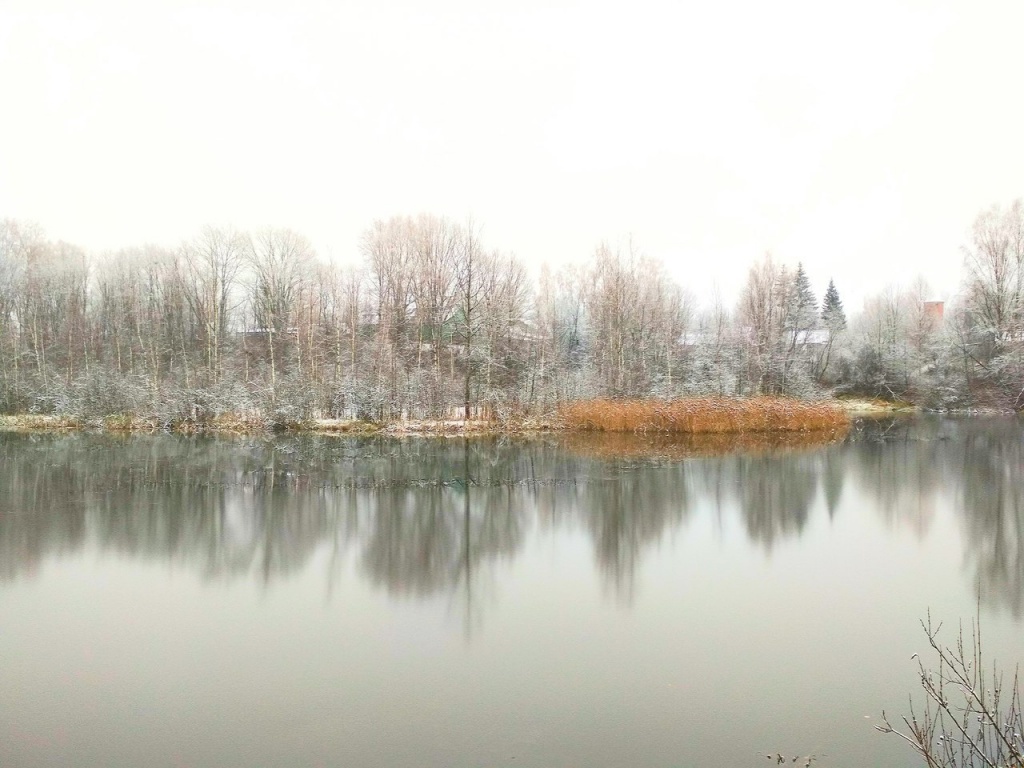
The village of Marevo is the administrative center of the Karevsky rural settlement and the Karevsk municipal district of the Novgorod region. Located on the River Karevka, the Holm - Demyansk highway. With the regional center of Grand Division, Novgorod s. Carevo is connected by a general -purpose road. The distance to the nearest railway station - Lychkovo (Demyansky district) - 94 km.
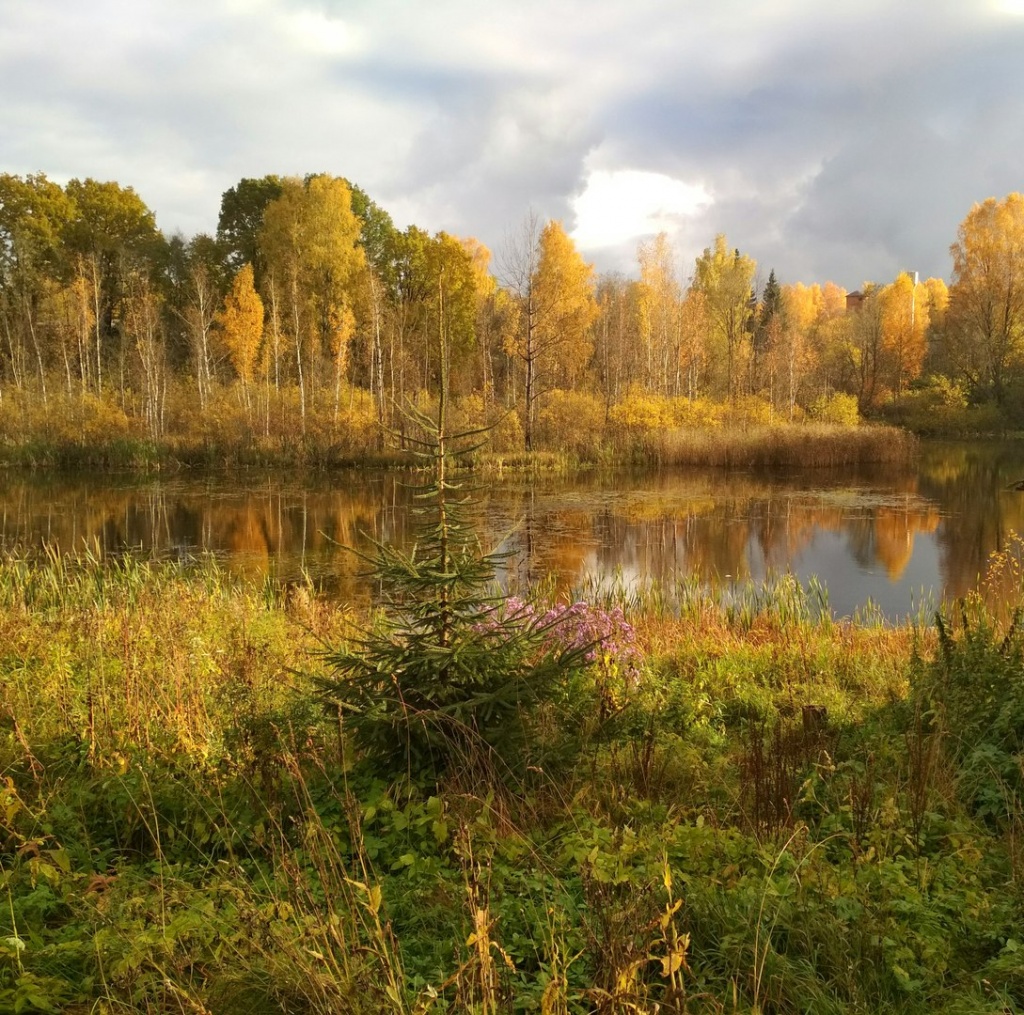
Carevo is an ancient settlement in the territory of the Novgorod region. Some local historians believe that the Karevsky churchyard was founded back in 947, when Kiev Princess Olga visited these places in order to restore order in the collection of tribute from the territories subject to Kyiv. It was she who divided the earth into graveyards.
Carevo - this name is first found in the annals telling about the XII century. The list of cities of distant and neighboring cities compiled in the 15th century lists 35 Novgorod and Pskov cities: among them Demanya, Velil, Martyov.
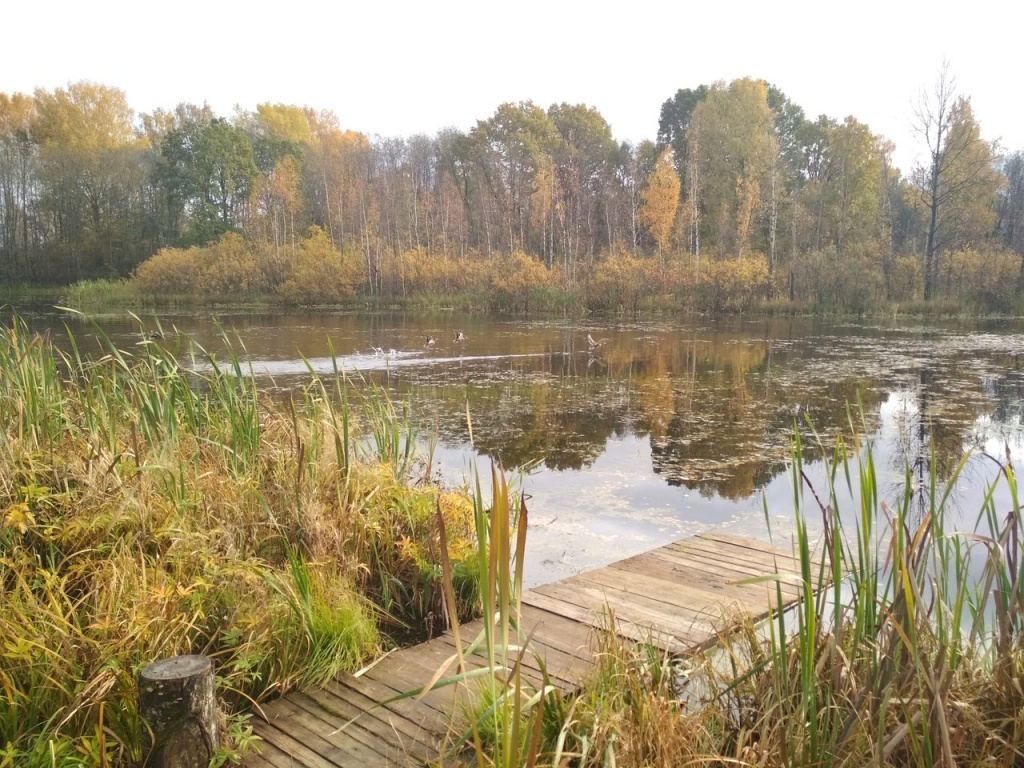
In the Novgorod scribe books, in the part related to the inventory of the tree of Pyatina, for 1495 there is the Novgorod volost of Marev. For the first time, Carevo is mentioned in the XIII century as the volost of Grand Duke Morov. The volost was divided by 10 dozen, in which there were an average of 20 villages. In total, there were 209 villages in the volost, in which there were 314 courtyards and 734 firing peasants.
The volost was rather rich. The inhabitants were engaged in blacksmithing, famous for the furry and collecting honey of wild bees. But these places were rather deaf, forest, marshy. This is also evidenced by the current names - fences, the village of Krasny Bor, aspen farm, etc.
Since the Earth in Rus' was the main wealth, it was often rewritten, given all the possibilities to increase the collection of tribute. Moscow scribes conducted the Volosti of Marev in 1495. The center of the volost was the stain of Mareova, who eventually became a hare.
At the end of the 15th century, Morevo was repeatedly attacked by the Lithuanian troops, and in 1612-1617 he was under the
The Moressky volost is known both in 1678 and 1710. Since 1702, the territory has been part of the Ingermanland province, since 1727 in the Novgorod province. Since the 19th century, the volost began to be called Moiseevskaya and entered the Demyansky district.
The central position in the region was occupied by the Moiseevsky volost typical here, with the center in the village. Mareva. In the pre -reform period in the volost in 72 villages, 1477 serfs of male lived. They belonged to 31 owner. The viability of the landowners ranged from 2 to 737 souls.
After the reform of 1861, significant changes occurred in the Marev village: the peasants in everyday life became more quickly, more educated, more often they were excommunicated from the village to work in St. Petersburg and other cities.
The village of Karevo was the center of the Moiseevsky volost of the Demyansky district. It spread out on the road
The settlements of the district, including the village of Karevovo, were very much injured during the Demyansk operation in the Great Patriotic War.
By a decree of the Presidium of the Supreme Council of the RSFSR dated February 19, 1944, the district center of the Solvotitsky district was transferred from the village of Landotitsy to the village of Marevo. Since July 5, 1944, the district is part of the Novgorod region. In 1963, the Landotitsky district was abolished, and the territory became part of the Demyansky rural region.
1968 - a music school opened in with. Carevo.
1972-The flights of the
In 1975, a hotel with a dining room in the village was opened. Carevo. The next year, the Mariev PBX and the first spectators were commissioned by the Victory cinema.
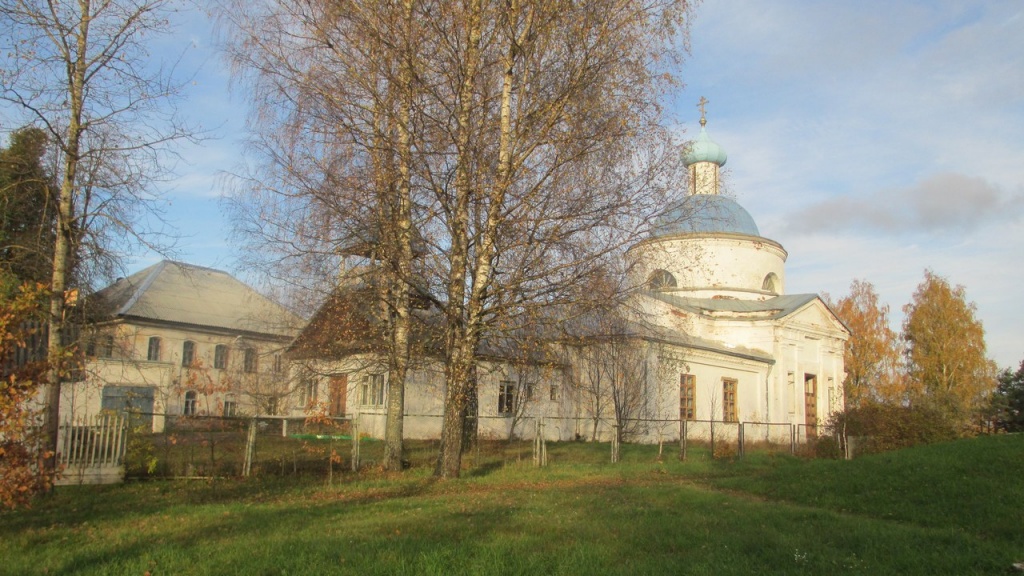
Nowadays, the village of Marevo has acquired the features of the urban -type village. At the same time, historical monuments, in particular, the Church of the Assumption of the Blessed Virgin Mary (19th century), are also preserved in the development of the village.
Достопримечательности
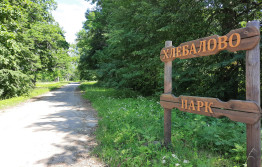
Khlebalovo Landscape Park
Парк Хлебалово - комплексный, ландшафтный и ботанический природный объект, являющийся образцом садово-паркового искусства начала XVIII века.
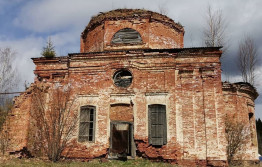
Церковь Успения Пресвятой Богородицы в селе Велилы
Кирпичная церковь была построена в стиле позднего классицизма. В 1937 году Храм был закрыт, а в послевоенные годы в нём находился зерновой склад.
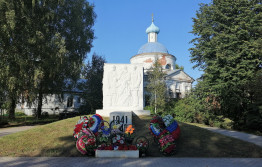
Братская могила Советских воинов в с. Марёво
Здесь установлен бетонный обелиск с надписью: «Мужеству героев войны народной с клятвой вечной памятник этот воздвигли благодарные потомки».


Марёво – природное и историческое сердце Новгородской области
Марёво – это живописное село в Новгородской области, расположенное в Марёвском районе. Оно привлекает туристов своей богатой историей, природными красотами и возможностями для спокойного отдыха. Туры в Марёво позволяют окунуться в атмосферу русской глубинки, познакомиться с культурными достопримечательностями и насладиться природой.
Почему стоит посетить Марёво?
Марёво – это не только красивый уголок Новгородской области, но и место с интересной историей. По преданиям, здесь в X веке побывала княгиня Ольга, что сделало его одним из старейших поселений региона. Сегодня здесь можно посетить старинные храмы, исследовать археологические памятники и насладиться тишиной природы.
Достопримечательности Марёво
- Церковь Успения Пресвятой Богородицы – главный храм села, сохранивший дух старинной Руси.
- Пейзажный парк «Хлебалово» – природная достопримечательность, находящаяся неподалеку от Марёво.
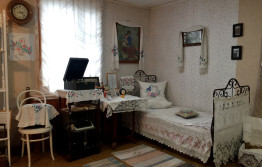
- Музей краеведения – место, где можно узнать больше о прошлом Марёвского района.
- Археологические памятники – древние городища, курганы и сопки, свидетельствующие о жизни славян в этих местах.
- Река Марёвка – отличное место для рыбалки, прогулок на лодках и отдыха на природе.
Марёво – отдых для всех
Этот уголок Новгородской области идеально подходит для познавательного и природного отдыха. Любители истории смогут посетить музеи и старинные храмы, а поклонники активного отдыха насладятся прогулками, рыбалкой и тихими вечерами у костра. Туры в Марёво подойдут как для семей, так и для индивидуальных путешественников.
Как добраться?
Марёво находится в Новгородской области, примерно в 200 км от Великого Новгорода. Добраться сюда можно на автомобиле по трассе Холм – Демянск или на поезде до станции Лычково, а затем на автобусе.
Если вы ищете место, где можно насладиться природой, узнать больше о русской истории и провести незабываемый отдых, Марёво станет отличным выбором. Здесь вас ждут тишина, уютная атмосфера и очарование русской глубинки.